Lyme Disease

Lyme disease is caused by the bacteria Borrelia burgdoferi and is spread to humans from the bite of an infected blackleg tick Lyme Disease | Lyme Disease | CDC . It now has been reported in every state except Hawaii and Alaska. Alaska has reported a few cases, but those people had traveled out of the state prior to being diagnosed. Symptoms can mimic the flu with fever, headache and fatigue, however a skin rash called erythema migrans is typically seen at the sight of the tick bite. If left untreated the infection can progress to facial paralysis, nerve pain, arthritis and intermittent joint pain.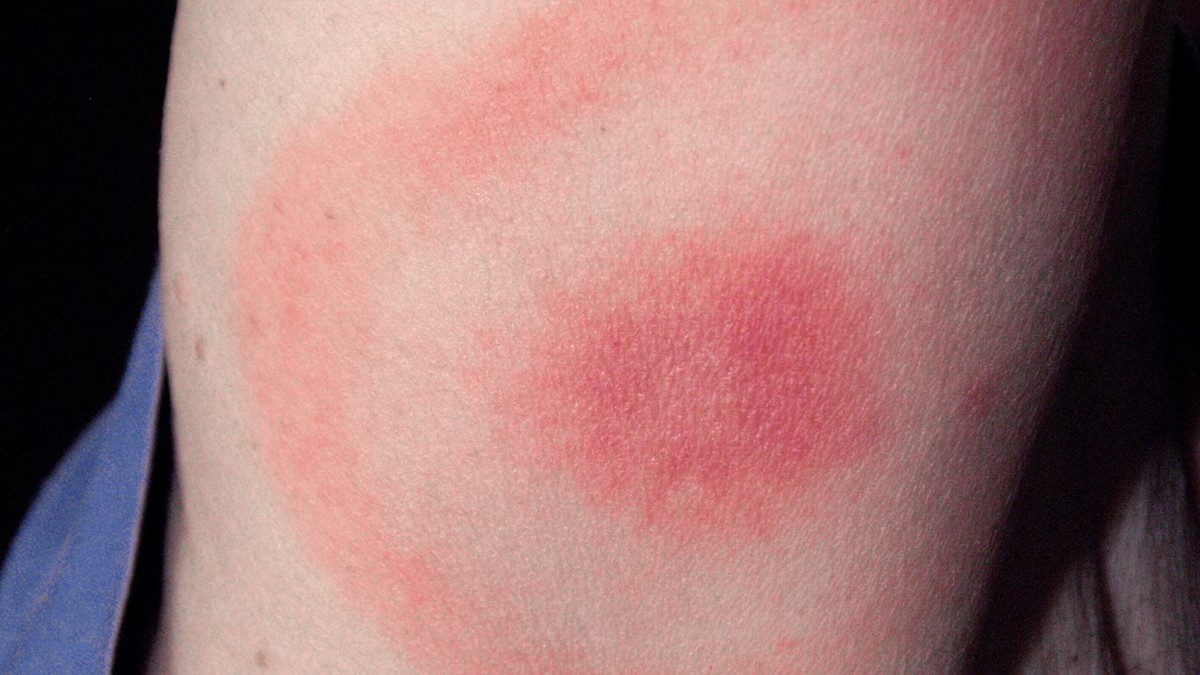 Diagnosis is made by history and a blood test. Treatment is a course of antibiotics (such as doxycycline, amoxicillin or cefuroxime axetil). Typically, patients respond well to antibiotics especially if treated early. There is no human vaccine.
Animals, such as dogs and horses, can acquire Lyme disease Lyme Disease - Infections - Merck Manual Consumer Version. The symptoms in dogs are mainly swollen joints, loss of appetite, and lameness. In horses’ lameness, weight loss and generalized stiffness are seen. Treatment is the use of antibiotics. There is a vaccine available for dogs.
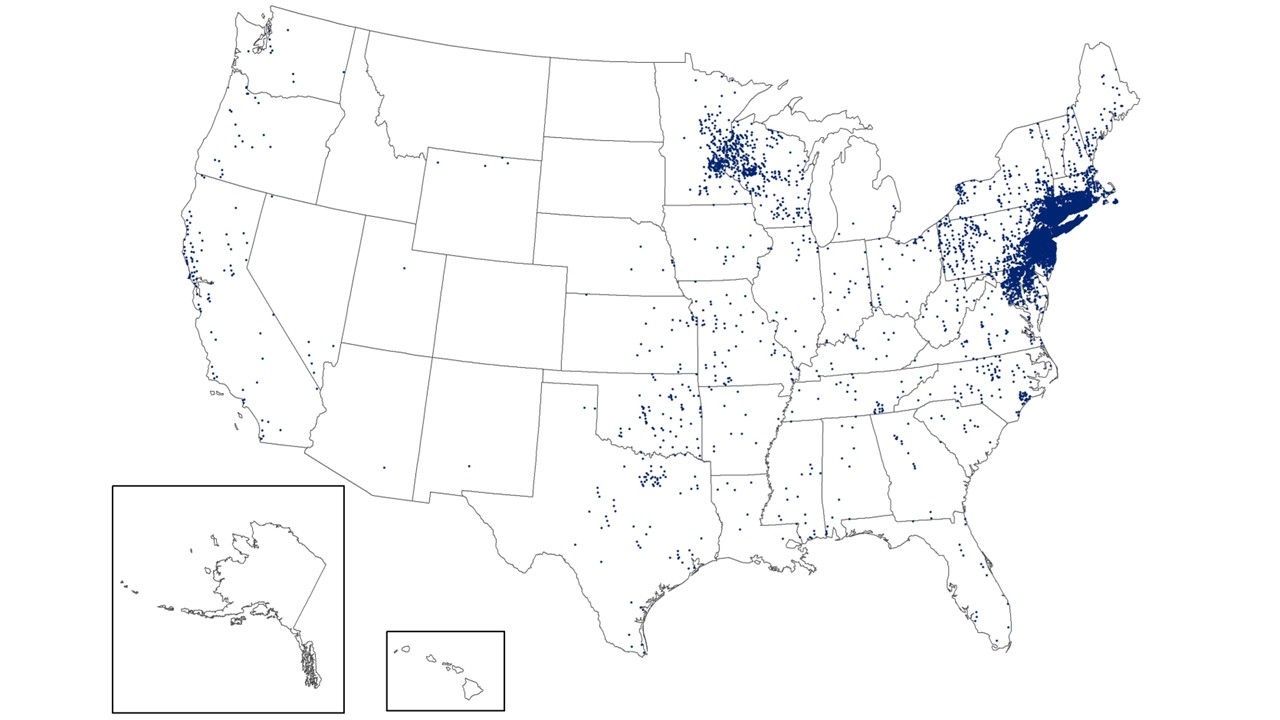

Lyme disease has become more prevalent in Kentucky for both humans and animals. The first map shows humans cases from 1995, the next is from 2023 Lyme Disease Case Maps | Lyme Disease | CDC. There has been a tremendous movement from the northeast towards Kentucky. In 2008 there were 5 cases of Lyme disease reported (confirmed) in humans in Kentucky, in 2023 there were 120 cases Lyme Disease Surveillance Data | Lyme Disease | CDC. In Kentucky in 2024 there were over 7,000 confirmed cases of Lyme disease in dogs and over 8800 in 2025 Parasite Prevalence Maps | Pets & Parasites: The Pet Owner's Parasite Resource. The best prevention is to avoid tick bites by avoiding wooded areas, areas with tall grass/weeds or venturing off trails while hiking. If you are going to be out in areas where ticks are prevalent treat yourself/clothes with EPA registered insect repellents. Have your pets on tick preventative year-round. If camping, you can treat your gear and clothes with 0.5% permethrin. If you find a tick on you or your pet remove it as soon as possible and call your doctor/veterinarian if you or your pet develops symptoms. You can find more information here:
UK researcher a force in the fight against Lyme disease | College News